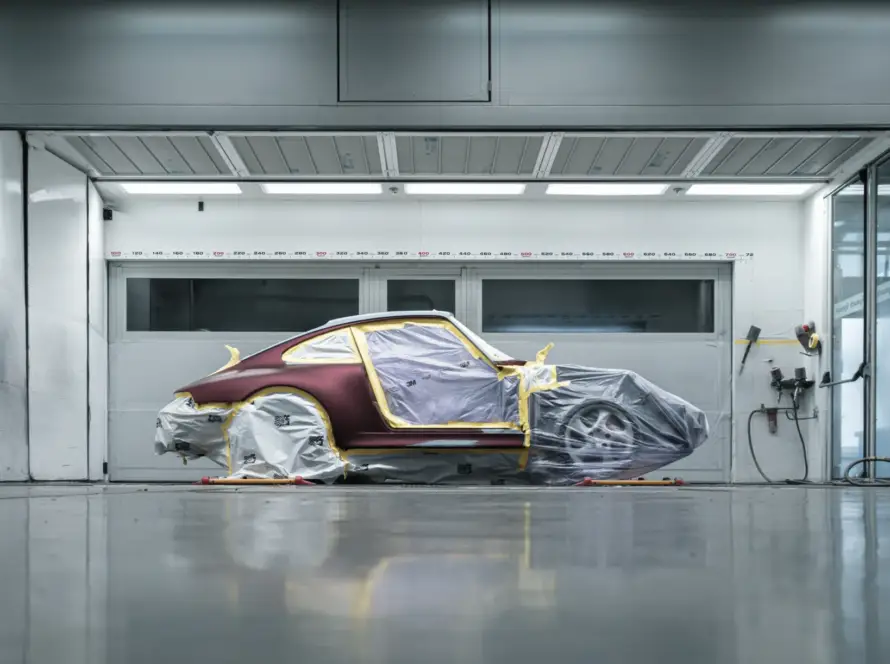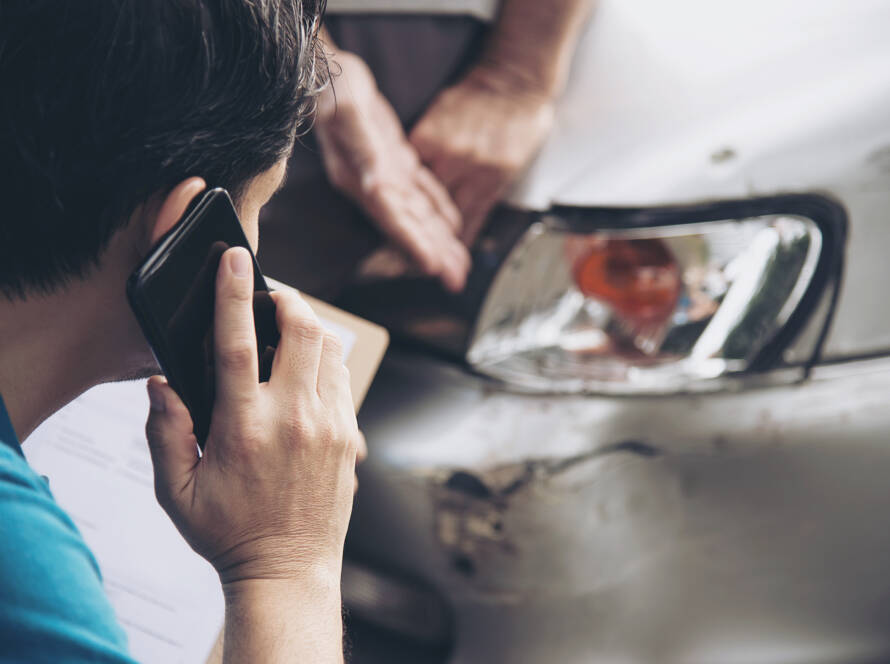

When your vehicle suffers collision damage or needs exterior repairs, knowing where to turn can make the difference between a quality restoration and a frustrating experience. Most people don’t think about auto body shops—a center for collision repairs and customer service—until they find themselves dealing with accident damage, hail dents, or paint issues. Understanding how these specialized facilities work, what services they offer, and how to choose the right one can save you time, money, and stress when you need repairs most.
This comprehensive guide will walk you through everything you need to know about auto body shops, from basic services to navigating insurance claims. Whether you’re dealing with minor scratches or major collision damage, you’ll learn how to find a trustworthy facility, understand the repair process, and ensure you receive quality work that restores both your car’s appearance and safety.
What is an Auto Body Shop?
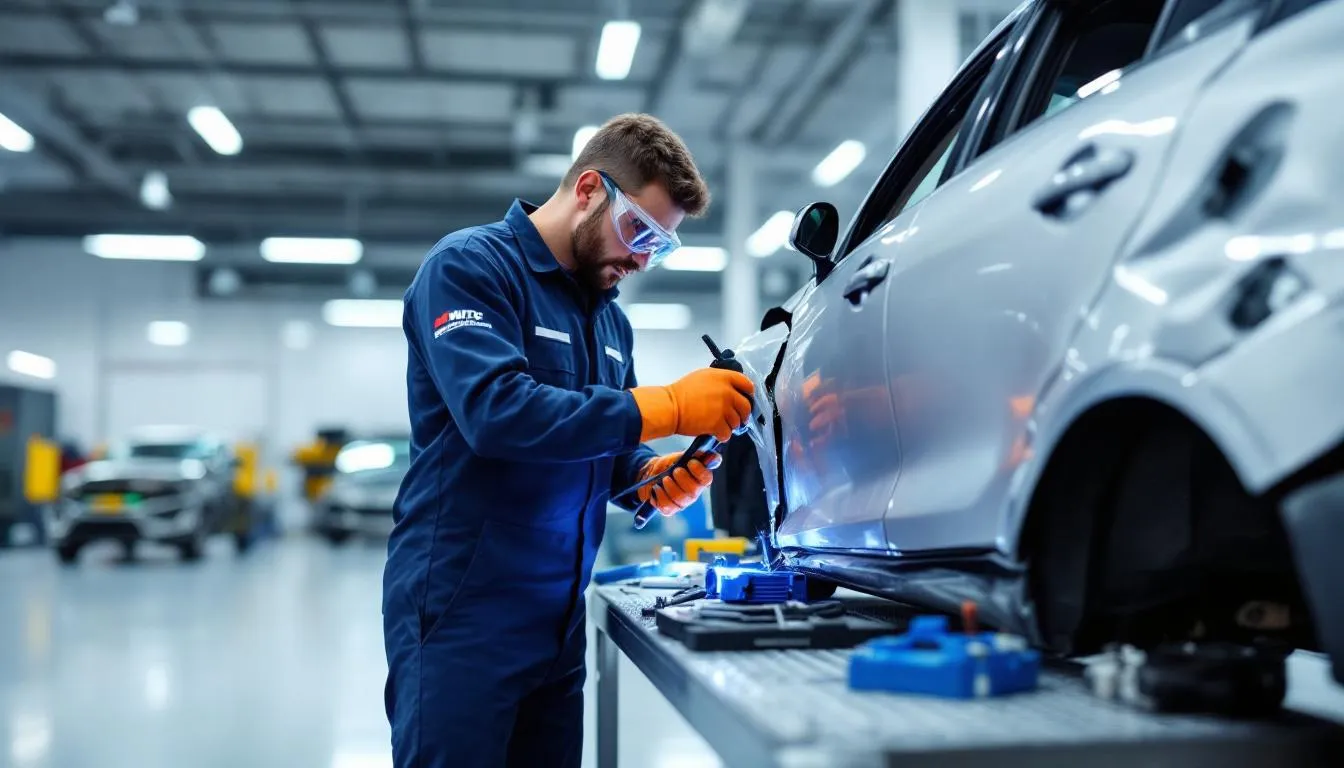
A body shop auto facility specializes in repairing and restoring the exterior and structural elements of vehicles following accidents, collisions, or general wear and tear. Unlike traditional automotive repair shops that focus on mechanical components like engines, brakes, and transmissions, auto body shops concentrate on non-moving parts including frames, body panels, paint systems, bumpers, and glass.
Difference Between Auto Body Shops and Mechanical Repair Shops
The distinction between these two types of facilities is crucial for vehicle owners to understand. While a regular mechanic works on your car’s internal systems to keep it running safely, auto body professionals restore your vehicle’s appearance, structural integrity, and exterior safety features. A body shop technician trains specifically on collision repair processes, paint application, and frame straightening – skills that differ significantly from engine diagnostics or brake repairs.
Most auto body shops don’t offer traditional mechanical services, just as many general repair shops lack the specialized equipment and expertise needed for collision repair. Some larger facilities may provide both services, but customers typically get better results by choosing specialists for each type of work.
Types of Damage Auto Body Shops Specialize in Fixing
Auto body shops handle a wide range of exterior damage and structural issues:
- Collision damage from accidents, including crumpled panels and frame misalignment
- Hail damage requiring paintless dent repair techniques
- Scratches, scuffs, and paint chips from parking lot incidents
- Rust and corrosion affecting body panels
- Damage from vandalism or environmental factors
- Wear-related issues like fading paint or minor dents
When You Should Visit an Auto Body Shop vs. a Regular Mechanic
Schedule an appointment with a body shop when you notice exterior damage, structural concerns, or appearance issues. If you are a person who notices these problems, a body shop is the right place for you. If your car starts, stops, and drives normally but looks damaged, you likely need body work rather than mechanical repairs. However, if an accident affected both exterior and mechanical components, you may need to visit both types of facilities.
Trust your safety first – if you suspect frame damage or if your vehicle pulls to one side after an accident, seek professional assessment immediately. Modern cars rely on precise structural alignment for airbag deployment and crash protection systems to work properly.
Core Auto Body Shop Services
Understanding the range of services offered by auto body shops helps you communicate your needs effectively and ensures you find a facility equipped to handle your specific repairs. Most established shops offer comprehensive collision repair services while some specialize in particular types of work.
Collision Repair and Accident Damage Restoration
Collision repair represents the core service that most auto body shops build their business around. This complex process involves assessing damage, coordinating with insurance companies, ordering replacement parts, and executing repairs that restore both appearance and structural integrity. Collision repair is focused on restoring the vehicle to pre-accident condition using advanced technician training. The collision repair process typically includes frame straightening, panel replacement, welding, and refinishing work. These processes are often led by experienced professionals or industry leaders to ensure the highest standards of quality and safety.
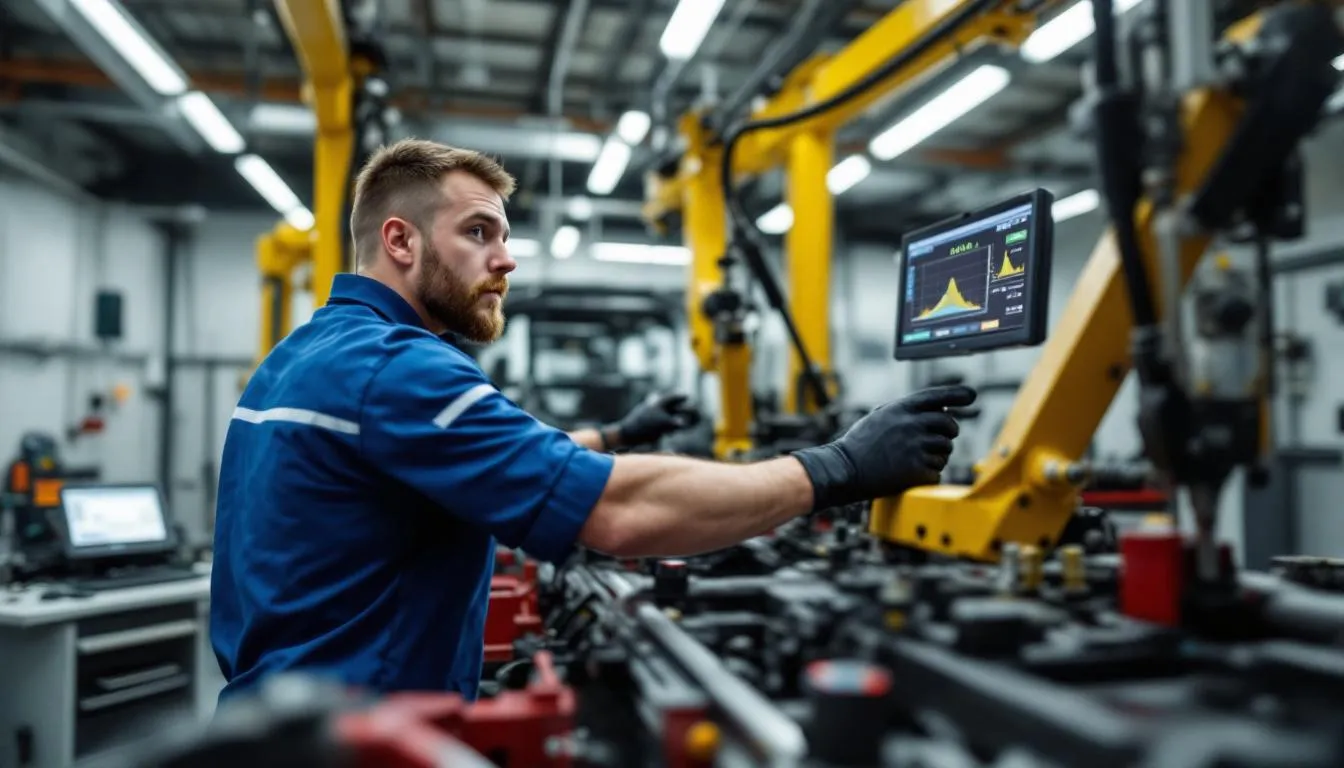
Professional collision repair requires sophisticated equipment like computerized frame measuring systems and specialized welding tools. Technicians must understand how modern vehicles are constructed, including the use of high-strength steel, aluminum, and composite materials in newer cars. Quality shops invest in ongoing training to stay current with manufacturer repair procedures and safety standards.
Paintless Dent Repair for Minor Dings and Hail Damage
Paintless dent repair (PDR) offers an efficient solution for minor dents that haven’t damaged the paint surface. This specialized technique allows technicians to massage dents out from behind panels using specialized tools, preserving the original paint and avoiding the time and cost of traditional bodywork and refinishing. Paintless dent repair is an efficient method for repairing hail damage and small dents without disturbing the original paint.
PDR works best on shallow dents from hail, door dings, and minor impacts where the paint remains intact. The process typically takes hours rather than days and costs significantly less than conventional repair methods. However, not all damage qualifies for PDR – deeper dents, creases, or areas where paint is compromised require traditional repair techniques.
Auto Painting and Color Matching Services
Professional auto painting involves much more than simply spraying color onto panels. Modern paint systems consist of multiple layers including primer, base coat, and clear coat, each requiring specific application techniques and curing processes. Quality body shops use computerized color matching systems to ensure new paint blends seamlessly with existing finish. For spray finishing, Devilbiss sets a standard in automotive restoration supplies, offering tools that help achieve professional-grade results.
The painting process requires a controlled environment to prevent contamination from dust, debris, or temperature fluctuations. Professional spray booths maintain specific air filtration and temperature conditions while supplies of high-quality paint and materials ensure consistent results. Shops typically offer various paint quality levels, from basic single-stage systems to premium multi-coat finishes. For specialized needs, VHT provides high-temperature paints and coatings suitable for automotive applications, ensuring durability and performance in challenging conditions. Automotive refinishing products from Klean-Strip are also available for various restoration projects, offering reliable solutions for achieving professional-grade finishes.
Frame Straightening and Structural Repairs
Frame damage represents one of the most serious issues an auto body shop addresses. Modern vehicles use unibody construction where the frame and body form an integrated structure, making precise alignment critical for safety and performance. Computerized measuring systems allow technicians to assess frame damage and guide the straightening process to manufacturer specifications.
Frame straightening equipment uses hydraulic force to carefully pull damaged sections back into proper alignment. This process requires extensive training and experience, as improper techniques can compromise vehicle safety. Reputable shops maintain certification for frame repair work and use only manufacturer-approved procedures.
Bumper Repair and Replacement
Bumper work ranges from minor scuff repair to complete replacement following severe impact. Modern bumpers integrate with vehicle safety systems and may contain sensors, cameras, or other electronic components that require careful handling during repair. Some facilities specialize in plastic welding techniques that can restore damaged bumpers to like-new condition.
Replacement bumpers come in various quality levels, from aftermarket alternatives to original equipment manufacturer (OEM) parts. Your body shop can explain the differences in fit, finish, and warranty coverage to help you make an informed decision based on your budget and quality expectations. It’s also important to check if the shop has the necessary replacement bumpers in stock to avoid unnecessary repair delays.
Auto Glass Repair and Windshield Replacement
Many auto body shops offer glass services as part of comprehensive collision repair, though some customers require standalone glass work. Windshield replacement involves more than simply installing new glass – modern vehicles rely on proper windshield installation for structural integrity and airbag deployment.
Professional glass installation requires specific adhesives, curing time, and safety procedures. The windshield contributes to roof strength in rollover accidents and provides a critical backstop for passenger-side airbag deployment. Quality shops follow manufacturer procedures and use OEM-equivalent glass to maintain safety standards.
Specialized Repair Services

Beyond core collision repair services, many auto body shops offer specialized treatments for specific types of damage or customer requirements. These services are driven by a commitment to meeting unique customer needs and delivering excellence. They often require additional training, equipment, or materials but can provide cost-effective solutions for particular problems.
Rust Removal and Corrosion Treatment
Rust treatment involves more than simply sanding and painting affected areas. Professional corrosion repair requires cutting out damaged metal, welding in new sections, and applying specialized coatings to prevent future problems. The process varies significantly depending on the extent of damage and the vehicle’s construction. For optimal results, using high-performance abrasive technology, such as products from Indasa, can ensure precision and durability in the restoration process. Indasa is recognized as a leader in high-performance abrasive technology suitable for automotive restoration.
Prevention-focused treatments can extend vehicle life in harsh climates where road salt accelerates corrosion. Some shops offer undercoating and rust-proofing services for customers looking to protect their investment long-term. Additionally, TITAN LIFTS manufactures motorcycle and automotive lifts suitable for restoration projects, providing essential tools for both professional and DIY enthusiasts to perform undercoating and other maintenance tasks effectively.
Custom Bodywork and Modifications
Custom work allows vehicle owners to personalize their cars with unique paint schemes, body kits, or performance modifications. This specialized service requires artistic skills alongside technical expertise, as custom projects often involve one-off solutions rather than standard repair procedures. For those interested in developing these skills, Eastwood University offers in-person and online classes in automotive restoration, fabrication, and customization. Additionally, Eastwood Auto offers quality products for automotive restoration at competitive prices, making it a go-to resource for enthusiasts and professionals alike. Professional automotive paints with over 75,000 factory-matched colors are available for DIY projects, providing enthusiasts with the tools to achieve precise and professional results.
Quality custom shops maintain portfolios of previous work and can provide detailed estimates for complex projects. Custom work typically involves longer timelines and higher costs than standard repairs, but results in truly unique vehicles that reflect owner preferences. For those seeking high-quality materials, Ronan provides high gloss, fade-resistant pinstriping paints, which are ideal for achieving professional-grade finishes in automotive restoration.
Scratch Repair and Paint Touch-ups
Minor paint damage often requires only localized repair rather than full panel refinishing. Skilled technicians can blend touch-up work so effectively that repairs become virtually invisible. The key lies in proper surface preparation, color matching, and blending techniques that feather new paint into existing finish. Cosmetic enhancements and detailing services may also include headlight restoration, custom paint jobs, or full vehicle detailing to further enhance the vehicle’s appearance.
Touch-up work costs significantly less than full panel painting but requires careful assessment to determine whether localized repair will provide acceptable results. Deep scratches that penetrate to bare metal may require more extensive preparation and priming.
Door and Panel Replacement
Severe damage sometimes makes replacement more cost-effective than repair. Panel replacement involves removing damaged components, preparing mounting surfaces, installing new parts, and refinishing to match existing paint. The process requires precision to ensure proper fit, alignment, and appearance.
OEM panels typically offer the best fit and finish but cost more than aftermarket alternatives. Your body shop can explain the trade-offs between different part options and help you choose based on your budget and quality expectations.
How to Choose the Right Auto Body Shop
Selecting the right body shop significantly impacts both repair quality and overall experience. Choosing a shop that meets the industry’s highest standards ensures you receive top-tier service and reliable results. Taking time to research options before you need services allows for better decision-making than choosing hastily after an accident when stress levels run high.
Research Certifications Like I-CAR and Manufacturer Approvals
Professional certifications indicate that a shop invests in ongoing training and maintains current repair knowledge. Technician certifications like ASE or I-CAR indicate specific industry standards for auto body shops. I-CAR (Inter-Industry Conference on Auto Collision Repair) provides industry-standard training, while manufacturer certifications demonstrate expertise with specific brands. These credentials become increasingly important as vehicles incorporate more advanced materials and safety systems.
Gold Class I-CAR shops meet stringent requirements for training, equipment, and customer satisfaction. Manufacturer certifications like those from BMW, Mercedes-Benz, or Tesla indicate specialized knowledge of particular brands’ repair procedures, warranty requirements, and services such as car glass repair and replacement.
Check Reviews and Ask for Referrals from Insurance Companies
Online reviews provide valuable insights into customer experiences, but focus on patterns rather than individual complaints. Look for comments about communication quality, repair timelines, and final results. Photos posted by previous customers can give you a sense of work quality and attention to detail.
Insurance companies maintain preferred provider networks based on quality, pricing, and claims handling efficiency. While you’re not required to use preferred shops, they often streamline the repair process and may offer additional warranties or guarantees.
Verify Warranty Offerings and What They Cover
Reputable shops stand behind their work with comprehensive warranties covering both parts and labor. Understand what the warranty covers, how long it lasts, and what could void coverage. National chain shops may offer warranties honored at multiple locations, while independent shops typically provide more personalized service but location-specific coverage.
Quality warranties should cover paint work for several years and structural repairs for the life of your ownership. Some shops offer lifetime warranties on certain types of work, demonstrating confidence in their craftsmanship.
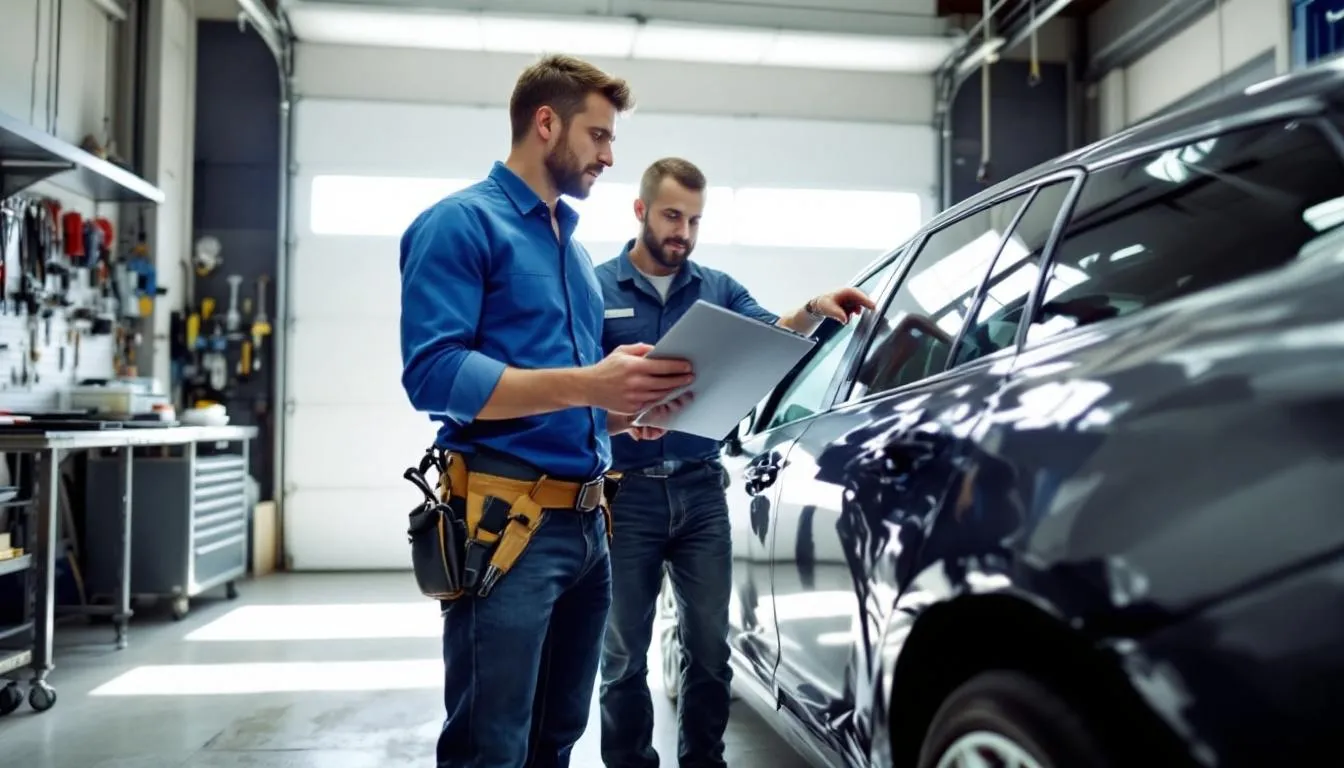
Tour the Facility to Assess Equipment and Cleanliness
A facility tour reveals much about shop operations and quality standards. Look for clean, organized work areas, modern equipment, and proper safety procedures. Well-maintained shops typically produce better work and operate more efficiently than cluttered or outdated facilities.
Pay attention to vehicles in various stages of repair to assess work quality. Professional shops should be proud to show their facility and explain their processes to potential customers.
Get Multiple Estimates for Comparison
Obtaining free estimates from several shops helps you understand repair scope and pricing while giving you leverage in negotiations. However, focus on more than just price – consider each shop’s reputation, warranty offerings, and estimated completion time.
Unusually low estimates may indicate corners being cut or additional charges discovered later. Quality repairs require time and materials, so extremely low bids often signal problems ahead.
Confirm Insurance Network Participation for Direct Billing
If you’re filing an insurance claim, verify that your chosen shop participates in your insurer’s direct billing program. This arrangement simplifies payment processing and often expedites claim approval. Many auto body shops are pre-approved partners with insurance carriers, making the claims process easier for customers. Shops experienced with insurance work understand the documentation and communication requirements that ensure smooth claims processing.
Some shops specialize in insurance work and maintain relationships with multiple carriers, while others prefer cash customers and may not participate in direct billing programs.
The Auto Body Repair Process
Understanding the collision repair process helps you track progress, ask informed questions, and recognize quality work. Our team is always ready to assist you and guide you through every step of the repair process. While specific procedures vary based on damage severity and vehicle type, most repairs follow a similar sequence from initial assessment through final delivery.
Initial Damage Assessment and Free Estimate Procedure
The repair process begins with a thorough damage assessment where technicians document visible damage and identify potential hidden problems. This evaluation forms the basis for repair estimates and insurance claims. Auto body shops submit repair estimates to insurance companies for approval, handling much of the communication. Experienced estimators understand how impact forces transfer through vehicle structures and can anticipate issues that may not be immediately apparent.
During the assessment, take time to ask questions and understand the proposed repair approach. Quality shops explain their findings clearly and provide detailed written estimates that break down labor, parts, and materials costs. This transparency helps you make informed decisions and sets expectations for the repair process.
Insurance Claim Filing and Approval Process
If insurance will cover repairs, your chosen shop can often handle claim filing and adjuster coordination on your behalf. This service simplifies the process for customers while ensuring that all necessary documentation is properly submitted. Insurance adjusters may inspect your vehicle at the shop or request detailed photos and estimates.
Understanding your insurance coverage, including deductible amounts and coverage limits, helps you prepare financially for repairs. Some policies include rental car coverage while your vehicle is being repaired, though this benefit may have time or cost limitations.
Parts Ordering and Repair Timeline Establishment
Once repairs are approved, the shop orders necessary parts and schedules your vehicle for work. Parts availability significantly affects repair timelines, particularly for newer vehicles or specialty cars where components may require special ordering. Once the estimate is approved, needed parts are scheduled for ordering, which may be directly from manufacturers. Your shop should provide realistic timeline estimates and update you if delays occur.
OEM parts typically take longer to receive than aftermarket alternatives but may be required for insurance coverage or warranty compliance. Discuss part options with your shop to understand how different choices affect cost, quality, and completion time.
Disassembly and Detailed Damage Inspection
Actual repair work begins with careful disassembly to expose all damaged areas. This step often reveals additional damage not visible during initial assessment, potentially requiring supplemental insurance claims or estimate revisions. Hidden damage is common in collision repair, so budget for possible additional costs. Vehicle reassembly includes all repaired and new parts, followed by a rigorous quality control inspection.
Professional shops document newly discovered damage with photos and detailed descriptions for insurance review. This transparency protects both shop and customer while ensuring that all necessary repairs are identified and approved before work proceeds.
Repair Work Execution and Quality Control Checks
The actual repair process varies based on damage type but typically involves structural repairs, bodywork, and refinishing. Frame straightening must be completed before body panel work begins, as proper alignment is essential for correct panel fit and appearance.
Quality shops implement multiple inspection points throughout the repair process to catch problems early and ensure work meets professional standards. These checkpoints help maintain quality while avoiding costly rework that delays completion.
Final Inspection and Vehicle Delivery
Before delivery, reputable shops conduct comprehensive final inspections covering both repair quality and vehicle functionality. This inspection should include checking all lights, ensuring panels align properly, verifying paint color match, and confirming that all systems work correctly.
Take time during vehicle pickup to inspect repairs carefully and ask questions about warranty coverage or care instructions. Quality shops welcome customer inspection and address any concerns before you leave with your vehicle.
Timeline Expectations
Minor Repairs: 1-3 Business Days Typical Completion
Simple repairs like minor dent removal, scratch touch-ups, or small panel work can often be completed quickly when parts are readily available. Paintless dent repair may be finished the same day, while work requiring paint typically needs additional time for proper curing. If your repairs are related to an accident, you may need to file a car insurance claim before getting started.
Even minor repairs require time for proper preparation and finishing. Rushing paint work can result in poor color match, texture problems, or durability issues that become apparent later.
Major Collision Damage: 1-3 Weeks Depending on Parts Availability
Significant collision damage requires more time for thorough repair and quality finishing. Frame straightening, major panel replacement, and extensive paint work cannot be rushed without compromising quality. Parts availability for newer or specialty vehicles often determines actual completion time.
Complex repairs benefit from taking adequate time to ensure all systems are properly restored. Safety-critical repairs should never be rushed, as improper work can compromise vehicle performance and occupant protection.
Factors That Can Extend Repair Time Beyond Estimates
Several factors can extend repair timelines beyond initial estimates:
- Hidden damage discovered during disassembly
- Parts availability issues, particularly for newer vehicles
- Insurance claim supplements requiring adjuster approval
- Weather conditions affecting paint curing
- Quality control issues requiring rework
- Shop workload and scheduling constraints
How to Track Repair Progress and Stay Informed
Maintain regular contact with your shop to track progress and address any concerns promptly. Many shops provide regular updates via phone or email, while others prefer customers call for status updates. Establish communication preferences early in the process to avoid frustration.
Quality shops welcome customer inquiries and provide honest updates about progress and any issues encountered. Poor communication often indicates organizational problems that may affect repair quality.
Auto Body Shop Costs and Payment Options
Understanding auto body repair costs helps you budget appropriately and make informed decisions about repairs versus replacement. Costs vary significantly based on damage severity, vehicle type, parts quality, and local labor rates.
Average Cost Ranges for Common Repairs
Auto body repair costs depend on numerous factors, but general ranges provide useful planning guidance:
- Paintless dent repair: $50-$500 depending on size and location
- Scratch repair and touch-ups: $100-$800 for localized work
- Bumper repair: $300-$1,500 depending on damage severity
- Panel replacement and paint: $800-$3,000 per panel
- Major collision repair: $3,000-$15,000 or more for extensive damage
- Complete paint jobs: $2,000-$8,000 based on quality level
These ranges reflect typical costs but can vary significantly based on your location, vehicle type, and chosen repair quality level.
Factors Affecting Repair Costs
Several key factors influence final repair costs:
Vehicle Type: Luxury vehicles, exotic cars, and newer models typically cost more to repair due to expensive parts and specialized procedures. European vehicles often require OEM parts that cost significantly more than domestic alternatives.
Parts Quality: OEM parts cost more than aftermarket alternatives but typically offer better fit, finish, and warranty coverage. Some insurance policies require OEM parts for newer vehicles.
Paint Quality: Basic single-stage paint costs less than premium multi-coat systems, but durability and appearance differ significantly. Climate and vehicle use should influence paint selection. If your paintwork is part of an insurance claim, knowing how long it takes to settle a collision claim in California can help you plan your repairs.
Labor Rates: Shop labor rates vary by region and facility type. Dealership body shops typically charge premium rates but may offer specialized expertise for particular brands.
Damage Severity: Hidden damage discovered during repair can significantly increase costs. Structural damage requires specialized equipment and expertise that increases labor costs.
Insurance Deductible Requirements and Coverage Limits
Most auto insurance policies include collision coverage with deductibles ranging from $250 to $2,000. You’re responsible for paying the deductible amount regardless of total repair costs. Higher deductibles reduce premium costs but increase out-of-pocket expenses when claims occur.
Understanding your coverage limits helps you plan for potential gaps between repair costs and insurance payments. Some policies include caps on rental car coverage or require specific repair procedures that may affect shop selection.
Payment Methods Accepted Including Financing Options
Most body shops accept various payment methods including cash, checks, and credit cards. Some facilities offer financing programs for customers facing high out-of-pocket costs or those choosing to pay for repairs without filing insurance claims.
Insurance direct billing arrangements simplify payment by having the insurance company pay the shop directly for covered repairs. You typically pay only your deductible amount, though you remain responsible for any non-covered items.
When Paying Out-of-Pocket Might Be Better Than Filing Claims
Consider paying for minor repairs yourself rather than filing insurance claims when:
- Repair costs are only slightly higher than your deductible
- You want to avoid potential premium increases
- The damage is minor and doesn’t affect safety
- You prefer to choose your own shop without insurance network restrictions
Weigh the long-term cost of potential premium increases against immediate repair costs. Some insurers offer accident forgiveness programs that may influence this decision.
Working with Insurance Companies
Insurance relationships significantly impact the auto body repair experience. Understanding how insurance companies operate and your rights as a policyholder helps ensure fair treatment and quality repairs.
How Preferred Provider Networks Affect Shop Selection
Insurance companies maintain preferred provider networks (PPNs) of shops that meet specific criteria for quality, pricing, and customer service. These shops often offer streamlined claims processing, direct billing, and additional warranties backed by the insurance company.
While PPN shops offer convenience, you’re not required to use them. Insurance companies cannot force you to use specific shops, though they may offer incentives like extended warranties or guaranteed work quality through preferred providers.
Understanding Insurance Adjusters and Damage Assessments
Insurance adjusters assess damage to determine covered repairs and estimate costs. Their initial assessment may not identify all damage, particularly hidden structural issues that become apparent during disassembly. This limitation often leads to supplemental claims as work progresses.
Adjusters typically use standardized estimating software that may not account for all variables affecting repair costs. Your chosen shop should work with adjusters to ensure all necessary repairs are identified and approved before work begins.
Your Rights to Choose Any Licensed Repair Facility
Federal and state laws protect your right to choose where your vehicle is repaired. Insurance companies cannot require you to use specific shops, obtain multiple estimates, or accept aftermarket parts if you prefer OEM components.
However, insurance companies can limit their financial responsibility to reasonable repair costs in your area. If you choose a more expensive shop, you may be responsible for cost differences beyond normal rates.
What to Do If Insurance Estimates Differ from Shop Estimates
Discrepancies between insurance and shop estimates are common and usually resolved through communication between the adjuster and shop management. Quality shops understand insurance procedures and can advocate for necessary repairs.
If disputes cannot be resolved directly, you may need to involve your insurance company’s customer service department or seek independent mediation. Document all communications and keep copies of estimates and correspondence.
Supplemental Damage Claims During Repair Process
Hidden damage discovered during disassembly often requires supplemental insurance claims for additional repairs. This process can delay completion while waiting for adjuster approval, but it’s necessary to ensure all damage is properly addressed.
Quality shops document supplemental damage with photos and detailed descriptions to expedite approval. Some insurance companies allow shops to proceed with obvious supplemental repairs to minimize delays.
Red Flags to Avoid When Choosing an Auto Body Shop
Recognizing warning signs helps you avoid shops that may provide poor service, use substandard practices, or create additional problems. Trust your instincts and investigate further if something seems questionable.
Unusually Low Estimates That Seem Too Good to Be True
Estimates significantly below others should raise immediate concerns. Quality repairs require time, materials, and expertise that cost money. Extremely low bids often indicate:
- Use of inferior parts or materials
- Shortcuts in preparation or finishing
- Hidden charges discovered later
- Inexperienced technicians
- Inadequate insurance coverage
Remember that quality work requires appropriate pricing. The cheapest option often becomes the most expensive when rework or additional repairs become necessary.
Pressure to Sign Contracts Immediately Without Time to Review
Reputable shops provide written estimates and allow time for customer consideration. High-pressure tactics often indicate questionable business practices or financial problems. Take time to:
- Review all contract terms carefully
- Compare estimates from multiple shops
- Verify insurance coverage and warranty details
- Research the shop’s reputation and credentials
Never feel pressured to make immediate decisions about significant repairs. Quality shops understand that customers need time to make informed choices.
Shops Requiring Full Payment Upfront Before Work Begins
While shops may request partial payment or insurance deductibles before starting work, requiring full payment upfront is unusual and risky. This practice may indicate:
- Cash flow problems
- Inexperience with insurance claims
- Questionable business practices
- Potential for shop closure before completion
Standard practice involves payment upon completion or through insurance direct billing arrangements. Be wary of shops that deviate significantly from industry norms.
Facilities Lacking Proper Certifications or Business Licenses
Verify that your chosen shop maintains all required licenses and certifications. Professional shops proudly display credentials and maintain current insurance coverage. Red flags include:
- Expired or missing business licenses
- Lack of manufacturer certifications for your vehicle brand
- No visible insurance or bonding information
- Unwillingness to provide credential verification
Poor Communication or Unwillingness to Explain Repair Processes
Quality shops communicate clearly about repair procedures, timelines, and costs. Warning signs include:
- Vague explanations of needed repairs
- Reluctance to allow facility tours
- Poor responsiveness to questions or concerns
- Inability to provide detailed estimates
- Unprofessional communication methods
Good communication indicates professional operations and customer focus. Shops that can’t explain their work clearly may lack expertise or transparency.
No Written Warranty or Guarantee on Completed Work
Reputable shops stand behind their work with comprehensive written warranties. Be cautious of shops that:
- Offer only verbal guarantees
- Provide limited warranty coverage
- Exclude common items from warranty protection
- Cannot explain warranty terms clearly
Quality workmanship deserves warranty protection. Shops confident in their abilities offer comprehensive guarantees that protect customers from defective work or materials.
Understanding auto body shops, their services, and how to choose quality providers protects your investment and ensures safe, reliable transportation. Take time to research options before you need services, maintain your vehicle to prevent problems, and build relationships with trusted professionals in your community. Quality auto body work restores both appearance and safety, making proper shop selection an important decision that affects your vehicle’s long-term value and your family’s protection on the road.
When you do need auto body services, remember that quality work takes time and costs appropriately. The cheapest option rarely provides the best value, while the most expensive doesn’t guarantee superior results. Focus on finding certified professionals who communicate clearly, stand behind their work, and have earned positive reputations through consistent quality service. Your vehicle deserves professional care that restores both its appearance and structural integrity, ensuring many more years of safe, reliable transportation.