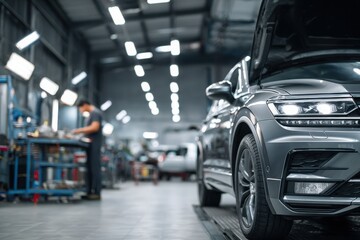

When your vehicle suffers collision damage or needs bodywork, selecting the right cars auto body shop determines whether you’ll receive quality work that restores your car’s safety, appearance, and value. Auto body repair involves complex processes requiring specialized equipment, trained technicians, and proper insurance coordination that can significantly impact both your immediate costs and long-term vehicle reliability.
The collision repair industry generates over $208 billion globally, with the car body repair segment alone worth $50 billion annually, yet finding a reliable auto body shop that delivers honest service and quality results remains challenging for most car owners. Leading shops specialize in accident repair, using their expertise and industry certifications to restore vehicles to their pre-collision condition with comprehensive services.
What This Guide Covers
This comprehensive guide covers essential criteria for evaluating auto body shops, understanding repair services and timelines, navigating insurance processes, and avoiding common pitfalls that can cost you thousands in poor-quality work or unnecessary delays.
Who This Is For
This guide is designed for car owners dealing with accident damage, cosmetic repairs, or routine bodywork maintenance. Whether you’re filing your first insurance claim after a collision or seeking reliable body repair services for an aging vehicle, you’ll find practical strategies for making informed decisions.
Why This Matters
Choosing the wrong auto body shop can result in compromised vehicle safety, insurance disputes, hidden damage going unrepaired, and repair costs that exceed your vehicle’s value. With modern vehicles incorporating advanced safety systems and lightweight materials, proper collision repair requires specialized training and equipment that not all shops possess.
What You’ll Learn:
- How to evaluate auto body shop credentials, equipment, and service capabilities
- Understanding collision repair processes and realistic timeline expectations
- Navigating insurance company relationships and claims procedures effectively
- Identifying and avoiding common repair quality issues and cost overruns
Understanding Auto Body Shop Services and Capabilities
Cars auto body shops specialize in repairing, restoring, and refinishing vehicle exteriors damaged by accidents, weather, or normal wear and tear. These facilities range from comprehensive collision repair centers handling major structural work to specialized shops focusing on cosmetic paint services and minor dent removal. Additionally, rust and corrosion repair is a critical service offered by many shops, involving techniques like sandblasting and applying protective coatings to maintain the vehicle’s structural integrity.
Understanding service scope matters for choosing the right shop because modern vehicles require different expertise levels depending on damage complexity, materials involved, and safety systems affected during accidents.
Collision Repair and Structural Work
Collision repair encompasses restoring vehicles to pre-accident condition through structural welding, frame straightening, safety system restoration, and frame straightening and alignment using specialized equipment and laser measuring systems to ensure structural integrity and safety after an impact. This work requires computerized measurement systems, hydraulic equipment, and specialized training to properly repair high-strength steel, aluminum, and composite materials used in modern vehicle construction.
Frame straightening involves realigning vehicle structure using hydraulic machines and computerized measurement to ensure proper geometry, which directly affects vehicle safety, handling, and tire wear. This connects to overall auto body shop capabilities because structural work forms the foundation for all subsequent cosmetic and mechanical repairs.
Cosmetic and Paint Services
Paint matching, scratch repair, and dent removal services focus on restoring vehicle appearance without structural modifications. Modern shops use computerized color matching systems and environmentally compliant waterborne paints to achieve factory-quality finishes. Auto body shops also utilize state-of-the-art paint booths and color-matching systems to ensure damaged sections are seamlessly repainted. Many auto body shops offer same-day service for paintless dent removal, providing a quick and cost-effective solution for minor dings and hail damage.
Paintless dent removal (PDR) offers faster, less expensive repair for minor dings and hail damage by massaging dents from behind panels without repainting. Building on collision repair knowledge, cosmetic services complement structural work by completing the restoration process and ensuring vehicles meet both safety and aesthetic standards.
Transition: Understanding these service categories helps you evaluate whether specific shops can handle your repair needs effectively.
Evaluating Auto Body Shop Quality and Credentials
Assessing auto body shop quality requires examining multiple factors beyond cost estimates, including technician certifications, equipment standards, and insurance company relationships that indicate professional capability and customer service reliability.
Certification Standards and Technician Qualifications
I-CAR Gold Class certification demonstrates that shops maintain ongoing technician training and meet industry standards for collision repair procedures. This certification requires annual training hours and equipment investments that ensure technicians stay current with evolving vehicle technologies and repair methods. Technicians with I-CAR Gold Class certification have met the industry’s highest standards for training, ensuring top-quality repairs and adherence to safety protocols.
ASE (Automotive Service Excellence) certification and manufacturer-specific training programs validate individual technician skills in specific repair areas like structural welding, paint refinishing, and advanced driver assistance system (ADAS) calibration. These credentials matter because modern vehicles require specialized knowledge to repair properly without compromising safety systems or voiding warranties.
Insurance Partnership and Claims Handling
Direct repair program (DRP) relationships with major insurance companies streamline claims processing and often guarantee repair quality through contractual agreements. These partnerships typically involve pre-negotiated labor rates, parts sourcing agreements, and quality standards that benefit customers through faster service and simplified billing.
Claims processing efficiency depends on shops’ ability to communicate with insurance adjusters, provide accurate damage assessments, and handle supplemental estimates when hidden damage emerges during repair. Unlike certification credentials which focus on technical capability, insurance partnerships primarily address administrative efficiency and customer convenience. Customers can easily reach the shop by phone for updates, inquiries, or assistance with their insurance claims.
Equipment and Technology Standards
Modern paint booth systems, computerized color matching, and diagnostic equipment indicate shops’ ability to handle current vehicle technologies and environmental regulations. Advanced shops invest in ADAS calibration tools, electric vehicle safety equipment, and precision measurement systems required for proper collision repair.
Key Points:
- Computerized frame measurement systems ensure structural accuracy
- Modern paint booths with proper ventilation meet environmental standards
- ADAS calibration equipment handles safety system restoration
- Electric vehicle service capabilities for high-voltage system management
Transition: These quality indicators directly impact the repair process timeline and final results you can expect.
What to Expect from a Free Estimate
When you visit our auto body shop for a free estimate, you can expect a thorough and transparent process designed to give you peace of mind after an accident. Our experienced technicians will carefully assess the damage to your vehicle, examining not just the visible areas but also checking for any hidden issues that could affect the quality of the repair. We take the time to inspect the body, paint, and all impacted components to ensure nothing is overlooked.
After the assessment, we provide a detailed, itemized estimate that breaks down the cost of repairs, the specific parts and materials required, and the estimated time needed to complete the job. Our commitment to quality work means we use only reliable parts and proven repair techniques, so you can trust that your vehicle will be restored to its best condition.
We understand that dealing with insurance companies can be stressful, which is why we work directly with all major insurance providers on your behalf. Our team is committed to making the process as smooth as possible, keeping you informed at every stage—from your initial visit for a free estimate to the completion of your repairs. Our goal is to deliver exceptional service and ensure you feel confident in your choice of body shop. With our focus on quality, transparency, and customer care, you can count on us to get you back on the road safely and efficiently.
The Auto Body Repair Process and Timeline Expectations
Understanding typical repair workflows helps you set realistic expectations and identify potential delays or quality issues before they impact your schedule or costs significantly. With efficient service, you can enjoy the convenience of driving off the lot with your fully repaired vehicle, thanks to a quick turnaround.
Step-by-Step: Typical Auto Body Repair Process
When to use this information: For planning alternative transportation, understanding insurance timelines, and monitoring repair progress effectively.
- Initial Assessment and Estimate: Technicians inspect visible damage, document with photos, and provide preliminary repair cost estimates (typically 1-2 business days)
- Insurance Approval and Parts Ordering: Insurance adjusters review estimates, negotiate coverage, and approve repairs while shops order necessary parts (3-7 business days depending on parts availability)
- Repair Execution: Structural work, panel replacement, and painting occur in sequence with quality control checkpoints between major phases (5-15 business days for typical collision repairs)
- Final Quality Control and Delivery: Complete inspection, test drive, and customer walkthrough ensure all work meets standards before vehicle release (1 business day). Panel and part replacement is a critical step in this process, involving the replacement of damaged exterior parts like bumpers, fenders, and doors to restore the vehicle’s appearance and functionality. OEM parts are preferred by auto body shops because they are the most reliable, functional, and aesthetically pleasing.
Comparison: Independent Shops vs. Dealership Body Shops
| Feature | Independent Shops | Dealership Body Shops |
|---|---|---|
| Cost | Often 10-20% lower labor rates | Higher rates but may include warranty benefits |
| Timeline | Flexible scheduling, faster turnaround | Longer wait times, more rigid scheduling |
| Warranty | Varies by shop, typically 1-3 years | Often matches vehicle warranty terms |
| Parts Sourcing | Mix of OEM and aftermarket options | Primarily OEM parts |
| Specialization | General collision repair capability | Brand-specific expertise and training |
Independent shops often provide more personalized service and competitive pricing, while dealership body shops offer specialized knowledge for specific vehicle brands and comprehensive warranty coverage. Your choice depends on vehicle age, damage complexity, and insurance coverage requirements. Customers also have the legal right to choose any licensed shop for repairs, regardless of insurance recommendations, empowering them to select the best option for their needs. Many auto body shops also offer 24/7 towing and rental services to assist customers, adding convenience during the repair process.
Transition: Even with proper shop selection, common challenges can arise during the repair process.
Auto Body Shop Amenities
At our locally owned and operated auto body shop, we believe that quality auto body repair goes hand-in-hand with outstanding customer service and convenience. That’s why we offer a range of amenities designed to make your experience as comfortable and stress-free as possible. While your vehicle is being repaired, you can relax in our welcoming waiting area, complete with complimentary refreshments and free Wi-Fi to help you stay connected.
We know that life doesn’t stop after an accident, so we provide a courtesy shuttle service to get you where you need to go while your car is in the shop. In addition to collision repairs, our body shop offers a variety of services to keep your vehicle running smoothly, including tune-ups, alignments, and brake repairs. Whether you need a small touch-up or a complete body repair, our state-of-the-art equipment and skilled technicians are ready to handle any job with precision and care.
As a proud member of the community, we are committed to helping our customers get back on the road quickly and safely. Our team is always available to assist you, answer your questions, and guide you through the repair process. We invite you to contact us to schedule an appointment or learn more about how we can help with your auto body repair needs. Experience the difference of a body shop that truly cares about its customers and the community it serves.
Common Challenges and Solutions
Understanding potential complications helps you prepare for issues that frequently arise during auto body repair and know how to address them effectively when they occur.
Challenge 1: Hidden Damage Discovery During Repair
Solution: Understand that supplemental estimates are normal when shops discover additional damage after disassembly, and maintain open communication with both your insurance company and repair facility.
Modern vehicle construction often conceals damage to structural components, wiring, or safety systems that only becomes apparent when panels are removed. Reputable shops document newly discovered damage with photos and work with insurance adjusters to approve additional repairs rather than cutting corners.
Challenge 2: Insurance Coverage Disputes
Solution: Document all damage thoroughly with photos, understand your policy coverage limits, and choose shops experienced in advocating for customers during insurance negotiations.
Insurance companies may dispute repair necessity, parts quality, or labor time estimates to control costs. Shops with strong insurance relationships can effectively communicate repair requirements and help ensure adequate coverage for proper restoration.
Challenge 3: Repair Quality Concerns and Warranty Issues
Solution: Establish clear pre-repair agreements about paint matching standards, parts quality, and warranty coverage, then inspect work thoroughly before accepting delivery. A reputable shop provides a written warranty covering both parts and labor, ensuring peace of mind for customers and accountability for the repair facility.
Quality issues like paint color mismatches, panel gaps, or incomplete repairs often become apparent only after completion. Reputable shops stand behind their work with comprehensive warranties and address legitimate concerns promptly without additional charges. These measures help ensure your vehicle is safe to drive after repairs are completed.
Transition: Armed with this knowledge, you can confidently navigate the auto body repair process.
Conclusion and Next Steps
Selecting the right cars auto body shop requires evaluating technical capabilities, credentials, and customer service standards rather than simply choosing the lowest estimate. Quality collision repair protects your safety, preserves vehicle value, and ensures proper insurance coverage without hidden costs or delays. The best part of working with a reputable auto body shop is the satisfaction and peace of mind you gain, knowing your vehicle is in expert hands and the repair process is handled smoothly.
To get started:
- Get multiple estimates from certified shops with appropriate equipment for your vehicle type and damage complexity
- Verify credentials including I-CAR certification, insurance partnerships, and manufacturer training programs
- Review insurance requirements and confirm coverage details before authorizing repairs
Related Topics: Consider exploring preventive paint protection services, regular vehicle inspections, and maintenance scheduling to minimize future body repair needs and preserve your investment long-term.