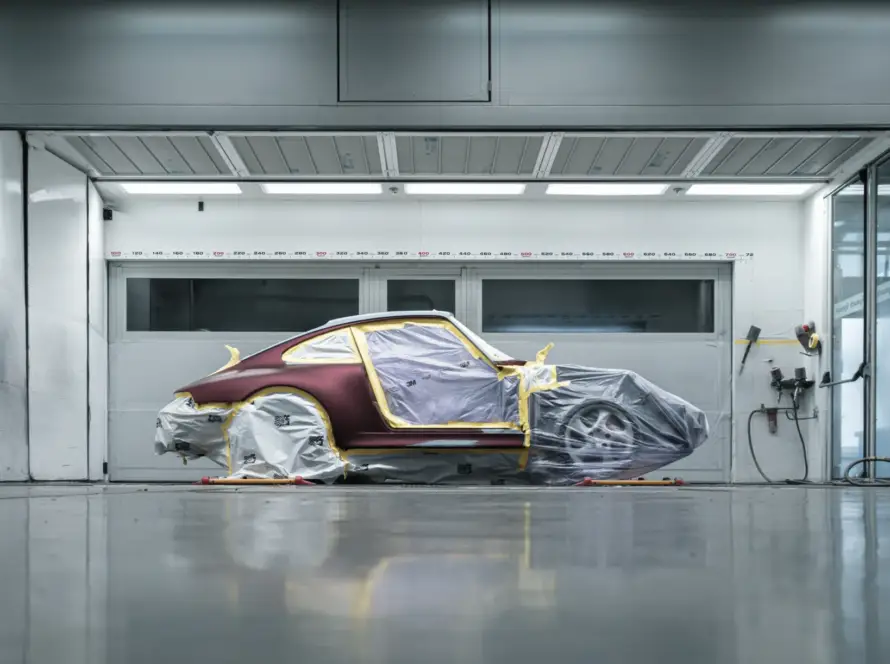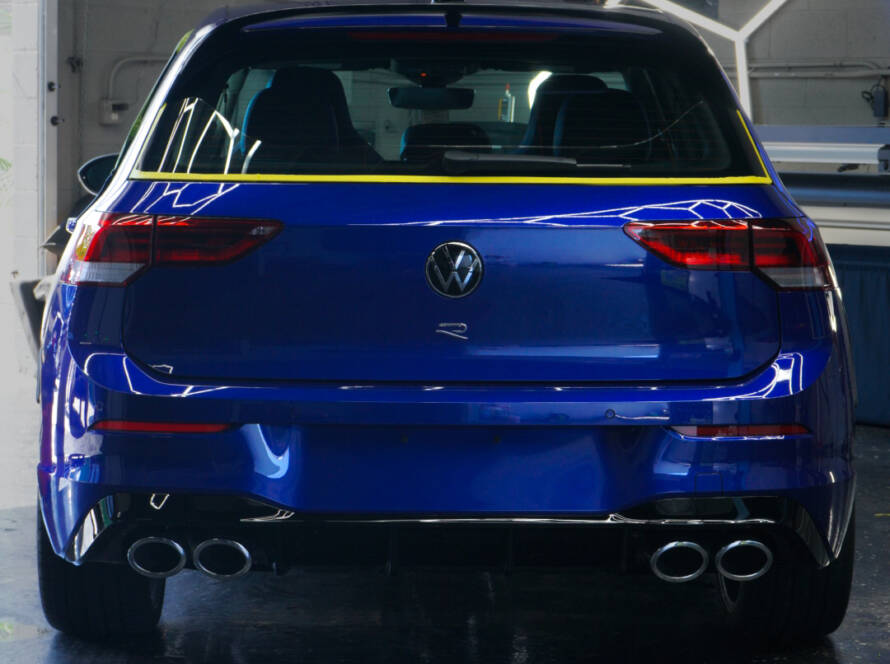

Collision repair is the comprehensive process of restoring your vehicle to its pre-accident condition after any type of collision damage. Whether you’re dealing with minor dents from a parking lot mishap or major structural damage from a serious accident, understanding the collision repair process can save you time, money, and ensure your safety on the road. A thorough damage inspection is conducted to determine the extent of the damage, ensuring all issues are identified before repairs begin. Once the repair estimate is approved, necessary replacement parts are ordered to proceed with the restoration process. Caliber Collision uses state-of-the-art equipment and advanced technician training to repair cars back to pre-accident condition.
This guide addresses the critical questions every accident victim faces: How do I choose a qualified repair shop? What should I expect during the repair process? How do I work effectively with my insurance company? Insurance companies often partner with collision repair services to streamline the claims process, making it easier for customers to navigate repairs.
What This Guide Covers
This comprehensive resource covers all aspects of collision repair including damage assessment, repair types, working with insurance companies, and selecting certified shops. We focus on the complete repair process from initial estimate to final inspection, but exclude DIY repairs and routine vehicle maintenance. Cascade Collision Repair ensures quality repairs by adhering to OEM certifications and using advanced tools.
Who This Is For
This guide is designed for vehicle owners who’ve been in accidents, insurance claimants navigating their first collision repair experience, and customers who want to make informed decisions about their vehicle repairs. Whether you’re dealing with minor cosmetic damage or major structural repairs, you’ll find practical guidance for every step of the process.
Why This Matters
Proper collision repair is essential for your safety, maintains your vehicle’s value, and ensures legal compliance with safety standards. Poor repair work can compromise structural integrity, affect advanced safety systems, and create liability issues that could impact your life for years to come. Gerber Collision & Glass has provided quality auto collision repairs for over 80 years backed by a National Lifetime Guarantee.
What You’ll Learn:
Understanding different types of collision damage and repair services
Navigating the complete repair process from estimate to completion
Avoiding common pitfalls when working with insurance companies and repair shops
Choosing qualified, certified shops that guarantee quality work
Collision repair technicians receive ongoing training to enhance their skills
Understanding Collision Repair Fundamentals
Collision repair encompasses all work necessary to restore a vehicle to its pre-accident condition, including structural, cosmetic, and mechanical repairs. This differs significantly from regular auto maintenance because collision repair addresses trauma-induced damage that affects safety systems, structural integrity, and vehicle performance.
The collision repair industry has evolved dramatically with modern vehicles featuring advanced materials, safety systems, and computer-controlled components that require specialized equipment and expertise. Today’s repair process must restore not just the vehicle’s appearance, but also its advanced driver assistance systems, structural integrity, and safety features to manufacturer standards that keep you safe on the road.
Understanding when collision repair is necessary versus when vehicles are totaled helps you make informed decisions. Generally, if repair costs exceed 70% of the vehicle’s value, insurance companies declare it a total loss, though this varies by state and insurance company policies.
Types of Collision Damage
Structural damage affects the vehicle’s frame or unibody construction, compromising safety and requiring precision realignment. Examples include bent frame rails, twisted unibody structures, and damaged safety cage components that protect occupants during crashes.
Cosmetic damage impacts the vehicle’s appearance without affecting structural integrity. This includes dents, scratches, paint damage, and damaged body panels that don’t compromise the vehicle’s safety or mechanical function.
Mechanical damage affects operational systems like engines, transmissions, suspension, and safety equipment. Modern accidents often damage sensors, cameras, and electronic systems that support advanced safety features.
This connects to collision repair fundamentals because damage type determines repair approach, required expertise, equipment needs, and whether specialized certifications are necessary for safe, effective repairs.
Industry Standards and Certifications
I-CAR certification ensures technicians receive up to date training on current repair procedures, safety protocols, and manufacturer specifications. This independent organization provides education that keeps repair professionals current with rapidly evolving automotive technology. Caliber Collision’s auto body repair team includes I-CAR certified technicians who receive continuous training, ensuring repairs meet the highest industry standards.
OEM certifications from manufacturers like Toyota, Ford, or BMW authorize shops to work on specific brands using approved procedures and genuine parts. These certifications often require significant investment in specialized equipment and ongoing training.
Building on damage types, different certifications matter for different repairs because modern vehicles require brand-specific knowledge, specialized tools, and access to manufacturer repair procedures that ensure safety and maintain warranty coverage.
Transition: Understanding these fundamentals prepares you to evaluate specific repair services and choose shops with appropriate certifications for your vehicle’s needs.
Types of Collision Repair Services
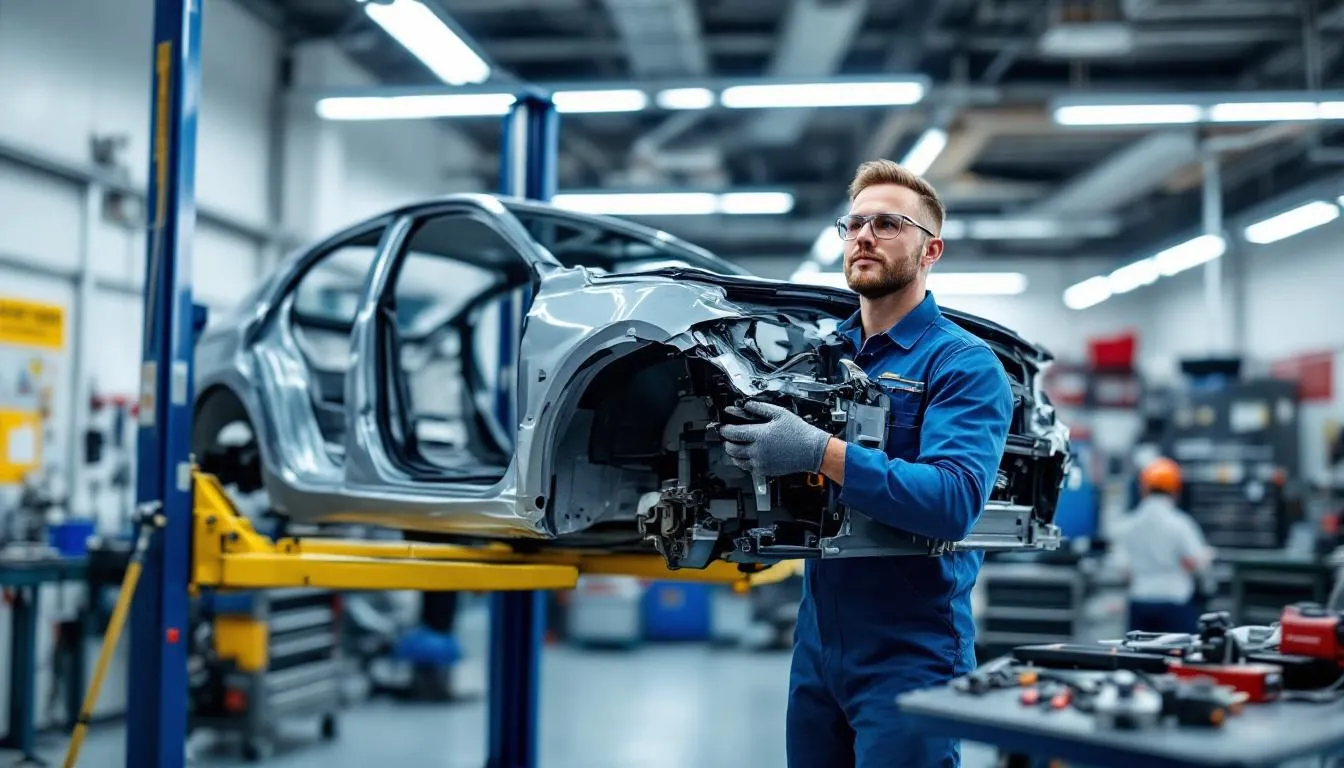
Modern collision repair encompasses multiple specialized services, each requiring specific expertise, equipment, and certifications to restore vehicles safely and effectively.
Auto Body Repair
Auto body repair includes frame straightening, panel replacement, and structural repairs that restore the vehicle’s fundamental integrity. Technicians use computerized measuring systems and hydraulic equipment to realign unibody structures to manufacturer specifications, ensuring proper door fit, window alignment, and crash protection. Technicians repair or replace damaged body panels, doors, and fenders using techniques like welding, dent removal, and metal shaping.
Frame rails, which provide structural support and absorb collision energy, often require sectioning and welding when damaged. Unibody construction (where the frame and body form an integrated unit) demands precision repairs because even minor misalignment affects handling, tire wear, and safety systems. This work requires experienced teams working with state-of-the-art equipment to guarantee proper restoration. All the parts that were removed are reinstalled, ensuring they are properly aligned and fitted to maintain the vehicle’s integrity.
Paintless Dent Repair (PDR)
PDR removes minor dents without affecting the original paint, using specialized tools to massage dents from behind panels. This process works best for small dents without paint damage, typically from hail, shopping cart impacts, or minor parking lot incidents. Caliber Collision offers paintless dent repair for hail damage and door dings, ensuring the original paint remains intact while providing a cost-effective solution.
Unlike traditional auto body repair that requires sanding, body filler, primer, and paint application, PDR preserves the vehicle’s original finish and maintains factory warranty coverage while providing faster, more cost-effective repairs for suitable damage. Using computerized color-matching systems, the paint is precisely matched to the vehicle’s original color and applied in a controlled environment to ensure a seamless finish.
Glass Repair and Replacement
Glass services address windshield damage, side window replacement, and rear glass repairs while maintaining vehicle safety and structural integrity. Modern windshields contribute to roof strength and airbag deployment, requiring proper installation techniques and quality materials. Caliber Collision provides expert auto glass repair and replacement services to restore vehicles to pre-collision condition, ensuring safety and functionality.
Key Points:
AGSC certification ensures proper installation procedures backed by industry standards
OEM glass maintains original optical quality and safety features compared to aftermarket alternatives
ADAS calibration is required after windshield replacement on vehicles with cameras or sensors
Transition: These specialized services work together in the comprehensive collision repair process that transforms damaged vehicles back to safe, reliable transportation.
The Collision Repair Process
The collision repair process follows a systematic approach that ensures thorough damage assessment, proper repairs, and quality control from initial estimate through final delivery to customers. Post-repair electronic diagnostic scans are performed to ensure all systems, including safety features and advanced driver-assistance systems (ADAS), are fully functional. A comprehensive quality control check is performed, including a test drive to confirm all systems are working correctly.
Step-by-Step: Typical Repair Timeline
When to use this: First-time collision repair customers can expect this standard process regardless of shop choice, though timelines vary based on damage severity and parts availability.
Initial assessment and estimate: Technicians conduct visual inspection, document damage with photos, and create detailed repair estimates covering labor, parts, and materials needed to restore the vehicle. Advanced diagnostic tools and scans are often used to uncover underlying or hidden damage. Technicians conduct a detailed evaluation of the visible damage to the vehicle’s exterior, frame, and internal systems to ensure a comprehensive repair plan.
Comparison: Independent Shops vs. Chain Operations
|
Feature |
Independent Shops |
Chain Operations |
|---|---|---|
|
Cost Structure |
Competitive labor rates |
Standardized pricing |
|
Warranty Coverage |
Varies by shop |
Consistent guarantees |
|
Turnaround Time |
Flexible scheduling |
Standardized processes |
|
Specialization |
Often brand-focused |
General repair services |
Independent shops typically provide personalized service and may specialize in specific vehicle brands, while chains offer consistent processes and warranties but may lack specialized expertise for luxury or exotic vehicles. Check online reviews and testimonials to gauge customer satisfaction. A quality shop will invest in modern tools and equipment to perform complex repairs correctly, ensuring precision and adherence to manufacturer standards. The difference often comes down to your specific needs and the kind of experience you’re looking for. Many repair services offer flexible payment options including insurance claims or out-of-pocket payments.
Transition: Understanding these options helps you choose the right shop, but navigating common challenges requires additional preparation and knowledge.
Common Challenges and Solutions
Successfully navigating collision repair requires understanding potential obstacles and having strategies ready to address issues that commonly arise during the repair process.
Challenge 1: Insurance Coverage Disputes
Solution: Get detailed free estimates from certified shops and thoroughly understand your policy coverage limits, deductibles, and preferred provider networks before authorizing repairs.
Independent appraisals can help resolve disputes when insurance estimates significantly differ from shop assessments, and knowing your state’s insurance regulations provides leverage in coverage negotiations.
Challenge 2: Hidden Damage Discovery
Solution: Establish clear communication protocols with your chosen shop about supplemental estimates and approval processes for additional damage discovered during disassembly.
Disassembly reveals damage to structural components, safety systems, and mechanical parts not visible during initial inspection, requiring additional insurance authorization that can extend repair timelines but ensures comprehensive restoration.
Challenge 3: Choosing Between Repair and Total Loss
Solution: Get independent assessments when repair costs approach 70% of vehicle value, considering factors like safety, reliability, and future maintenance costs beyond simple cost comparison.
Salvage value calculations and safety considerations become critical when repair costs are high, and understanding diminished value claims helps protect your financial interests in borderline total loss situations.
Transition: Making informed decisions about these challenges ensures you receive quality repairs that restore your vehicle safely and protect your investment.
Conclusion and Next Steps
Quality collision repair restores more than your vehicle’s appearance—it ensures your safety, maintains vehicle value, and provides peace of mind that your car will serve you reliably for years to come. Many collision repair services offer a written lifetime warranty on their repairs. Auto collision centers provide a lifetime transferable warranty on repairs for peace of mind for the vehicle owners. The right combination of certified technicians, proper equipment, and thorough processes makes the difference between a quick fix and a lasting repair that you can trust. Customers can receive consistent updates about the repair status via phone, text, or email during the repair process.
To get started:
Get multiple free estimates from certified shops in your community to compare services, timelines, and warranty coverage. A good shop should provide a detailed, written estimate that breaks down all costs before any work begins.
Verify insurance coverage and preferred providers to understand your financial responsibility and coverage limits.
Ask about warranties and repair timelines to set realistic expectations and ensure accountability.
Related Topics: Consider exploring rental car coverage options, diminished value claims for newer vehicles, and choosing body shops with manufacturer certifications, as these topics directly impact your total cost and experience quality during the repair process.
Frequently Asked Questions About Collision Repair
1. What is collision repair?
Collision repair is the process of restoring a vehicle to its pre-accident condition after damage from a crash, impact, or collision. It includes structural repairs, body work, paint refinishing, and recalibration of safety systems.
2. How do I know if my car needs collision repair?
Your car needs collision repair if you notice visible body damage, misaligned panels, warning lights, steering issues, or unusual noises after an accident. Even minor impacts can cause hidden structural or sensor damage.
3. What types of damage are repaired during collision repair?
Collision repair addresses structural damage (frame or unibody), cosmetic damage (dents, scratches, paint), and mechanical or electronic damage, including sensors, cameras, and advanced safety systems.
4. How long does the collision repair process take?
Repair time varies based on damage severity and parts availability. Minor repairs may take a few days, while major structural repairs can take one to three weeks or longer, especially if supplemental damage is found.
5. Will insurance cover collision repair costs?
Most auto insurance policies cover collision repair if you have collision or comprehensive coverage, minus your deductible. Repair shops often work directly with insurance companies to handle estimates and approvals.
6. What happens if hidden damage is found during repairs?
If hidden damage is discovered after disassembly, the repair shop submits a supplemental estimate to the insurance company. This ensures all damage is repaired properly, even if it extends the repair timeline.
7. What’s the difference between collision repair and regular auto repair?
Collision repair focuses on accident-related damage to the body, structure, and safety systems, while regular auto repair handles maintenance and mechanical issues like brakes, engines, and oil changes.
8. Should I choose an independent body shop or a chain collision center?
Independent shops often provide personalized service and brand specialization, while chain centers offer standardized processes and nationwide warranties. The best choice depends on your vehicle, damage type, and priorities.
9. Why are certifications important in collision repair?
Certifications like I-CAR and OEM approvals ensure technicians are trained in modern repair techniques, advanced materials, and safety system calibration—critical for restoring vehicle safety and value.
10. How can I make sure my collision repair is done correctly?
Choose a certified repair shop, request a written estimate and warranty, ask about OEM parts and ADAS calibration, and review the final inspection before accepting your vehicle.
Frequently Asked Questions About Collision Repair
1. What is collision repair?
Collision repair is the process of restoring a vehicle to its pre-accident condition after damage from a crash, impact, or collision. It includes structural repairs, body work, paint refinishing, and recalibration of safety systems.
2. How do I know if my car needs collision repair?
Your car needs collision repair if you notice visible body damage, misaligned panels, warning lights, steering issues, or unusual noises after an accident. Even minor impacts can cause hidden structural or sensor damage.
3. What types of damage are repaired during collision repair?
Collision repair addresses structural damage (frame or unibody), cosmetic damage (dents, scratches, paint), and mechanical or electronic damage, including sensors, cameras, and advanced safety systems.
4. How long does the collision repair process take?
Repair time varies based on damage severity and parts availability. Minor repairs may take a few days, while major structural repairs can take one to three weeks or longer, especially if supplemental damage is found.
5. Will insurance cover collision repair costs?
Most auto insurance policies cover collision repair if you have collision or comprehensive coverage, minus your deductible. Repair shops often work directly with insurance companies to handle estimates and approvals.
6. What happens if hidden damage is found during repairs?
If hidden damage is discovered after disassembly, the repair shop submits a supplemental estimate to the insurance company. This ensures all damage is repaired properly, even if it extends the repair timeline.
7. What’s the difference between collision repair and regular auto repair?
Collision repair focuses on accident-related damage to the body, structure, and safety systems, while regular auto repair handles maintenance and mechanical issues like brakes, engines, and oil changes.
8. Should I choose an independent body shop or a chain collision center?
Independent shops often provide personalized service and brand specialization, while chain centers offer standardized processes and nationwide warranties. The best choice depends on your vehicle, damage type, and priorities.
9. Why are certifications important in collision repair?
Certifications like I-CAR and OEM approvals ensure technicians are trained in modern repair techniques, advanced materials, and safety system calibration—critical for restoring vehicle safety and value.
10. How can I make sure my collision repair is done correctly?
Choose a certified repair shop, request a written estimate and warranty, ask about OEM parts and ADAS calibration, and review the final inspection before accepting your vehicle.