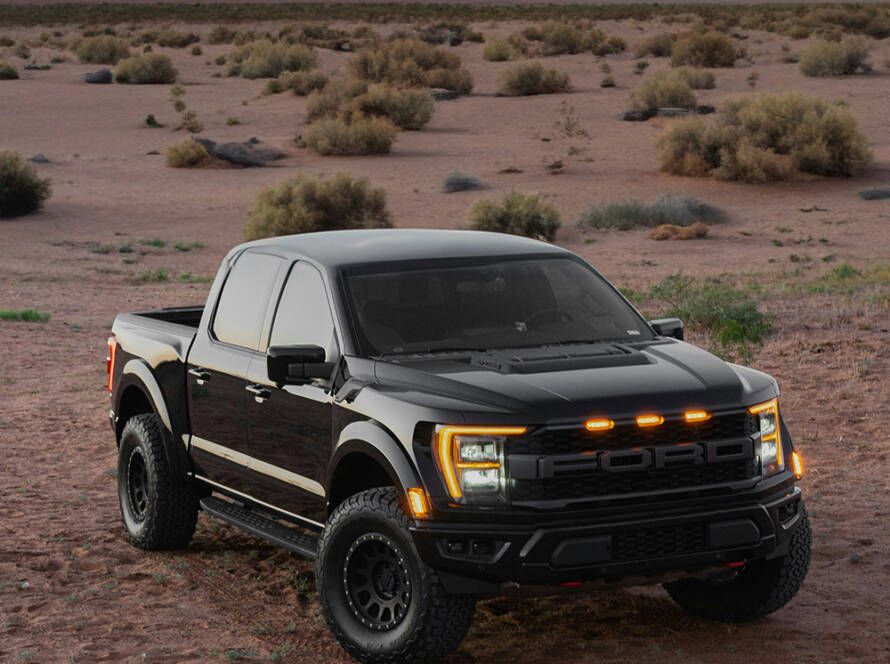

Finding the best body shop near me requires more than just choosing the closest collision repair center. When your vehicle needs auto body repair after an accident, hail damage, or other incidents, selecting a trusted auto body shop with quality workmanship and skilled technicians directly impacts your safety, vehicle value, and overall satisfaction.
The process of finding a body shop and dealing with repairs can feel overwhelming for many vehicle owners. This guide aims to simplify the experience and help you navigate each step with confidence.
A quality collision center doesn’t just restore your car’s appearance—they ensure structural integrity, proper safety system calibration, and maintain your vehicle’s finish to manufacturer standards. Additionally, paint services include paint correction, polishing, and touch-ups to ensure a flawless finish.
What This Guide Covers
This comprehensive guide covers the complete process for finding, evaluating, and selecting top-rated local body shops. We’ll examine certification requirements, research methods, evaluation criteria, and red flags to avoid when choosing auto body services.
Who This Is For
This guide is designed for vehicle owners needing collision repair, dent removal, auto body services, or glass replacement. Whether you’re dealing with an urgent accident repair or planning cosmetic improvements, you’ll find the tools to make an informed decision. Repairs can include bumper fixes and window tinting, catering to a wide range of needs.
Why This Matters
Choosing the right shop affects your safety on the road, protects your vehicle’s resale value, and ensures repairs meet insurance and manufacturer standards. Poor workmanship can lead to safety system failures, paint mismatches, and costly future problems.
What You’ll Learn:
- Industry certifications that indicate shop excellence
- Systematic evaluation methods for local collision centers
- Step-by-step selection process from research to final choice
- How to avoid common pitfalls and identify quality indicators
Introduction to Collision Repair
When your car is involved in an accident, finding a trusted auto body shop is the first step toward restoring your vehicle’s safety and appearance. Collision repair is a specialized process that demands skilled technicians, advanced equipment, and a commitment to quality workmanship. Whether you need dent removal, glass replacement, or a complete body repair, choosing an auto body shop with I-CAR certified technicians ensures your vehicle is repaired to the highest industry standards.
A reputable auto body shop will use the latest technology to accurately assess and repair damage, from minor scrapes to major structural issues. This attention to detail not only restores your car’s look but also its safety features, giving you confidence every time you drive. By searching for a shop known for quality and trust, you can have peace of mind knowing your vehicle is in expert hands and will be returned to you in pre-accident condition—safe, reliable, and ready for the road.
Understanding What Makes a Body Shop “The Best”
The best auto body shop combines advanced technical capabilities, proper certifications, quality equipment, and exceptional customer experience. The best shops are committed to delivering exceptional results and customer satisfaction. Excellence in collision repair requires continuous investment in training, technology, and proven processes that restore vehicles to pre-accident condition safely and efficiently.
Quality indicators extend beyond competitive pricing to encompass warranty coverage, clear communication throughout the repair process, and the shop’s commitment to maintaining industry standards. Top shops make customer safety and satisfaction a priority at every stage of the repair process.
Industry Certifications and Training
I-CAR certification represents the gold standard for collision repair training. Only about 20% of body shops nationwide achieve Gold Class status, which requires continuous education on current repair techniques, safety standards, and new vehicle technologies. These i car certified technicians stay current with evolving automotive technology.
OEM (Original Equipment Manufacturer) certifications authorize shops to use original parts and manufacturer-approved repair methods for specific brands like Ford, Honda, Toyota, or Tesla. As vehicles become more technologically advanced, OEM certification becomes essential for proper repairs, especially with advanced driver-assistance systems (ADAS) requiring precise calibration.
ASE (Automotive Service Excellence) credentials validate technician expertise across various automotive specializations. This connects to repair quality because certified technicians follow proven procedures that ensure both safety and longevity of repairs.
Equipment and Technology
Modern collision centers require sophisticated diagnostic equipment, computerized frame measurement systems, and advanced paint booths with precise color matching technology. Quality shops invest in equipment that handles today’s complex vehicle construction, including aluminum panels and composite materials.
Paint booth technology directly affects your vehicle’s finish quality and durability. Professional-grade booths maintain controlled temperature, humidity, and airflow, ensuring proper paint adhesion and color accuracy that matches factory specifications.
Frame straightening capabilities using laser measurement systems restore structural integrity essential for occupant safety. This equipment connection to precise repairs means your vehicle maintains its original crashworthiness and handling characteristics.
Warranty and Guarantee Policies
Leading shops offer lifetime warranties on workmanship, demonstrating confidence in their repair quality. These warranties typically cover labor and materials for as long as you own the vehicle, so repairs and parts are covered under these policies, providing long-term peace of mind.
Paint warranties usually extend three to five years, covering color matching, adhesion, and finish durability. Comprehensive guarantee policies include parts, labor, and sometimes even rental car coverage during warranty repairs, ensuring that all necessary repairs are covered.
Strong warranties indicate shop confidence because they’re willing to stand behind their work indefinitely, reflecting their commitment to quality workmanship and customer satisfaction.
Transition: Understanding these quality indicators provides the foundation for evaluating specific shops in your area.
Evaluating Local Body Shop Options
Building on quality indicators, systematic research helps you identify which local collision centers meet professional standards and customer expectations. This evaluation process combines online research with direct communication, such as contacting shops directly for more information or to initiate the repair process. Use online resources like Carwise.com and AAA Approved Auto Repair Facility Locator to find body shops with customer reviews and certifications. Many shops offer a free estimate, allowing you to compare options and make informed decisions about your vehicle repairs.
Online Research and Reviews
Google Reviews provide valuable insights into customer experiences, but focus on recent reviews (within the last year) and look for patterns in feedback about communication, timeliness, and repair quality. Pay attention to how shops respond to negative reviews—professional responses indicate good customer service.
Better Business Bureau ratings and complaint records reveal how shops handle disputes and customer concerns. A+ ratings combined with few unresolved complaints suggest reliable business practices and commitment to customer satisfaction.
Social media presence demonstrates how shops engage with their community and showcase their work. Active social media with regular updates, customer testimonials, and photos of completed repairs indicates pride in their service and transparency in their operations.
Insurance Network Participation
Insurance preferred provider networks require shops to meet specific quality standards and undergo regular audits. Network participation benefits include streamlined claim processing, direct billing capabilities, and often guaranteed repair quality backed by both the shop and insurance company.
Direct billing eliminates upfront payment requirements, as the shop works directly with your insurance company to handle claim payments. This convenience factor also indicates the shop’s established relationships with major insurers.
Network quality standards ensure participating shops maintain proper licensing, insurance coverage, and customer satisfaction ratings. This connection affects your repair experience by providing additional oversight and quality assurance beyond the shop’s internal standards.
Service Range and Specializations
Comprehensive collision repair capabilities should include structural repairs, frame straightening, panel replacement, and complete paint services. Full-service shops handle everything from minor dent removal to major accident reconstruction.
Paintless dent repair offers cost-effective solutions for minor damage without affecting your vehicle’s original finish. Glass replacement services should include proper ADAS calibration when windshield replacement affects sensor positioning.
Specialized services for luxury vehicles, trucks, or SUVs require additional training and equipment. Some shops focus on specific vehicle models or types, offering expertise that general repair facilities may lack.
Transition: With research criteria established, the next step involves systematically applying these evaluation methods to find your ideal shop.
Benefits of Choosing a Local Auto Body
Opting for a local auto body shop offers car owners a range of advantages that go beyond just convenience. Local shops are known for their personalized service and clear communication, making sure you’re informed and comfortable throughout the repair process. Look for shops that have a long history in the community, which may indicate a reputation for good service and reliability. With a strong reputation for quality workmanship, these shops often provide a guarantee on their repairs, giving you added confidence in the results.
Local auto body shops are deeply invested in their communities, supporting local events and building long-term relationships with customers. Many offer free estimates, professional detailing, and even assistance with rental cars to make your experience as smooth as possible. Local auto body shops often feature customer-friendly amenities such as free Wi-Fi and complimentary snacks. When you choose a local shop, you’re trusting your vehicle to experts who genuinely care about their work and your satisfaction. Their commitment to excellence and customer experience means your car will be repaired with the highest level of care and attention, ensuring you drive away with peace of mind.
Red Flags to Watch Out for in a Body Shop
As you search for the right auto body shop, it’s important to be aware of warning signs that could indicate subpar service or even potential scams. Be cautious of shops that lack transparency in their estimates or repair process—if you’re not getting clear communication about what your car needs and why, that’s a major red flag. Poor customer reviews and a lack of proper licensing or certification can also signal trouble.
Watch out for body shops that push unnecessary repairs or use low-quality parts, as this can compromise both the safety and appearance of your vehicle. A reputable auto body shop will always stand behind their work with a solid guarantee and prioritize your satisfaction. By staying alert to these red flags and focusing on shops known for quality workmanship and trusted service, you can confidently find a partner who will handle your auto body repair needs with integrity and care.
Step-by-Step Process for Finding Your Best Body Shop
This structured approach builds on your research foundation to guide you from initial search through final selection. Choosing a shop that will do a professional job from start to finish is essential for ensuring your vehicle is restored to the highest standards. Following these steps ensures you thoroughly evaluate options before committing to repairs.
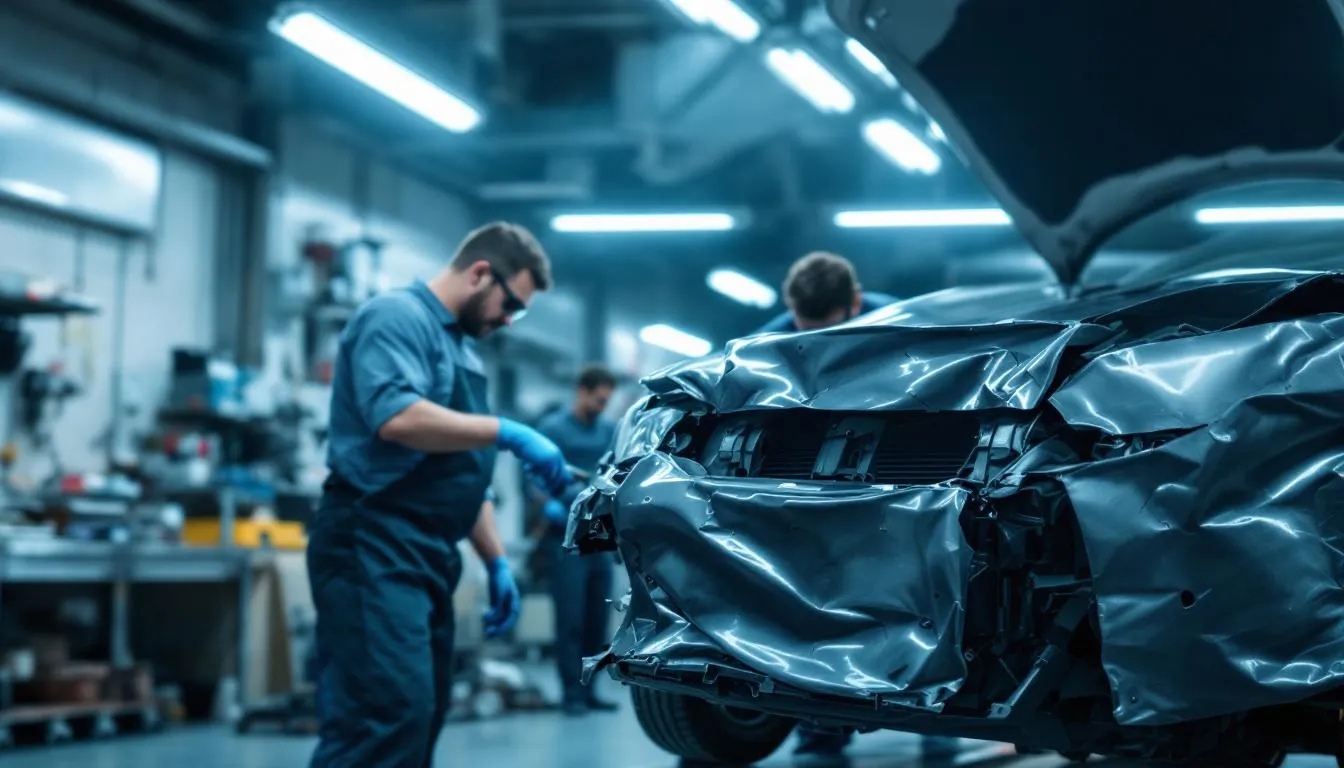
Clear communication about when the work begins is crucial for customer confidence and satisfaction.
Step-by-Step: Locating and Vetting Shops
When to use this process: After an accident when you need collision repair, or when planning dent removal, paint work, or other auto body services.
- Search by location and compile initial list: Use online directories, insurance company shop locators, and local searches to identify 5-7 body shops within reasonable driving distance. Consider both independent shops and franchise locations.
- Verify certifications and insurance network status: Check each shop’s website and call to confirm I-CAR certification levels, OEM certifications for your vehicle brand, and participation in your insurance company’s preferred network.
- Read reviews and check Better Business Bureau ratings: Analyze recent customer feedback patterns, response times to complaints, and overall satisfaction ratings across multiple platforms.
- Call shops for estimates and assess communication quality: Evaluate how staff handle your questions, explain their process, and provide timeline estimates. Clear communication during initial contact often reflects their approach throughout the repair process.
- Visit top 2-3 shops to inspect facilities: Schedule an appointment to visit each shop, see their equipment, cleanliness, organization, and meet the team who would work on your vehicle. Trust your instincts about professionalism and competence.
- Compare estimates, warranties, and timeline commitments: Request detailed written estimates including parts specifications, labor breakdowns, and a guaranteed completion date for the repairs. Factor in warranty coverage and overall value, not just price.
Comparison: Independent Shops vs Chain/Franchise Locations
| Feature | Independent Shops | Chain/Franchise Locations |
|---|---|---|
| Service Approach | Personalized attention, flexible scheduling | Standardized processes, consistent procedures |
| Warranty Coverage | Varies by shop, often local guarantee | Nationwide lifetime warranties |
| Pricing | Often competitive, room for negotiation | Fixed pricing structures, corporate backing |
| Equipment Investment | Varies widely by shop size/age | Corporate-mandated modern equipment standards |
| Technician Training | Individual shop commitment to education | Corporate-required certification programs |
Independent shops may offer more personalized service and competitive pricing, while chain locations provide standardized quality and broader warranty coverage. Choose based on your priorities: personal relationships and local reputation versus corporate backing and nationwide support.
Transition: Even with careful research, you’ll likely encounter common challenges during your search process.
Common Challenges and Solutions
These typical problems arise when searching for quality collision centers, but practical solutions help you overcome each obstacle and make confident decisions. It’s important to choose a shop that is proud of the quality of their car repairs and stands behind their work, ensuring your satisfaction and safety.
Challenge 1: Conflicting Insurance Company Recommendations
Solution: Research recommended shops independently using your evaluation criteria and compare findings with your insurance company’s suggestions. Remember, you have the right to choose any licensed repair facility regardless of insurance recommendations.
While insurance networks provide quality assurance, they may not include every excellent local shop, so conduct your own due diligence.
Challenge 2: Significant Price Differences Between Estimates
Solution: Request detailed breakdowns showing parts specifications (OEM vs aftermarket), labor hours, and additional services included. Question major discrepancies and understand what each estimate covers.
Lower prices may indicate corners being cut, such as using inferior parts, reducing labor time, or excluding necessary services like proper calibration.
Challenge 3: Limited Local Options in Rural Areas
Solution: Expand your search radius and inquire about mobile services or vehicle pickup/delivery options. For major repairs, traveling to a quality shop often proves worthwhile compared to accepting substandard local work.
Consider the long-term value of proper repairs versus convenience when evaluating distant but superior options.
Challenge 4: Urgent Repair Needs vs Quality Research Time
Solution: Focus immediately on verifying I-CAR certification, warranty offerings, and insurance network status. These key indicators help you quickly identify reputable shops when time is limited.
Emergency selection criteria should prioritize safety-related qualifications over convenience factors like location or scheduling. Start your search today to ensure you receive timely and quality repairs.
Transition: With challenges addressed, you’re ready to make your final selection and begin the repair process.
Conclusion and Next Steps
Thorough shop selection protects your safety, preserves your vehicle’s value, and ensures satisfaction with the repair experience. From the moment you walk into a reputable body shop, a welcoming environment and professional walk-through set the tone for a positive experience. The investment in proper research pays dividends through quality workmanship, comprehensive warranties, and confidence in your vehicle’s restoration.
Balance quality indicators, customer reviews, and warranty coverage against convenience factors like location and scheduling to find the shop that best meets your specific needs. Remember, a commitment to excellence drives the best shops to deliver outstanding results and customer satisfaction.
To get started:
- Begin your search immediately using the location and certification verification steps outlined above
- Schedule estimates and facility visits with your top 2-3 shop candidates within the next few days
- Make your final selection based on the comprehensive evaluation criteria, then schedule your repair work and maintain clear communication throughout the process
Related Topics:Understanding insurance claims procedures can streamline your repair experience, while regular vehicle maintenance helps prevent future body damage and maintains your investment.
Additional Resources
- I-CAR Certification Verification: Visit I-CAR.com to verify shop Gold Class status and technician training levels
- Insurance Shop Locators: Most major insurers provide online tools to find network shops in your area
- Shop Visit Checklist: Questions about certifications, warranty coverage, repair timeline, and communication procedures
- Red Flags Reference: Watch for shops lacking proper licensing, refusing to provide written estimates, or pressuring immediate decisions without allowing comparison shopping
- Note: When choosing a repair shop, look for businesses that work hard to earn your trust and deliver quality results.
Frequently Asked Questions: Finding the Best Body Shop Near Me
1. How do I find the best body shop near me in 2025?
To find the best body shop near you, look beyond distance. Focus on I-CAR or OEM certifications, customer reviews, warranty coverage, modern equipment, and clear communication. Visiting the shop and asking questions is just as important as online research.
2. What certifications should a top auto body shop have?
The best body shops typically hold I-CAR Gold Class certification, ASE credentials, and OEM certifications for specific vehicle brands. These certifications show technicians are trained to follow current safety and repair standards.
3. Are insurance-recommended body shops always the best choice?
Not always. While insurance-preferred shops meet certain standards, you have the legal right to choose any licensed body shop. It’s important to independently evaluate quality, warranties, and certifications before deciding.
4. What questions should I ask before choosing a body shop?
Ask about certifications, warranty coverage, repair timelines, OEM vs aftermarket parts, ADAS calibration, and how they communicate updates. A quality shop will explain its process clearly and confidently.
5. How can I tell if a body shop does quality work?
Signs of a quality body shop include clean facilities, modern equipment, detailed written estimates, strong warranties, transparent communication, and consistent positive reviews. Reputable shops are proud to show their work.
6. What red flags should I avoid when searching for a body shop?
Avoid shops that offer unusually low estimates, pressure you to sign immediately, lack certifications, refuse written estimates, or don’t provide warranties. Poor communication is also a major warning sign.
7. What’s the difference between an independent body shop and a chain repair shop?
Independent shops often offer personalized service and flexible pricing, while chain shops provide standardized processes and nationwide warranties. The best choice depends on your priorities, not the shop size.
8. How important are warranties when choosing a body shop?
Very important. The best body shops offer lifetime warranties on workmanship and multi-year paint warranties, showing confidence in repair quality and protecting your investment long-term.
9. Should I visit a body shop before choosing it?
Yes. Visiting allows you to assess cleanliness, equipment, organization, and professionalism. Meeting the team and seeing vehicles in repair can help confirm the shop’s quality and credibility.
10. Does choosing the right body shop affect my vehicle’s resale value?
Absolutely. Proper repairs using OEM procedures, correct paint matching, and structural restoration help preserve your vehicle’s safety, appearance, and resale value. Poor repairs can reduce value and cause future issues.